
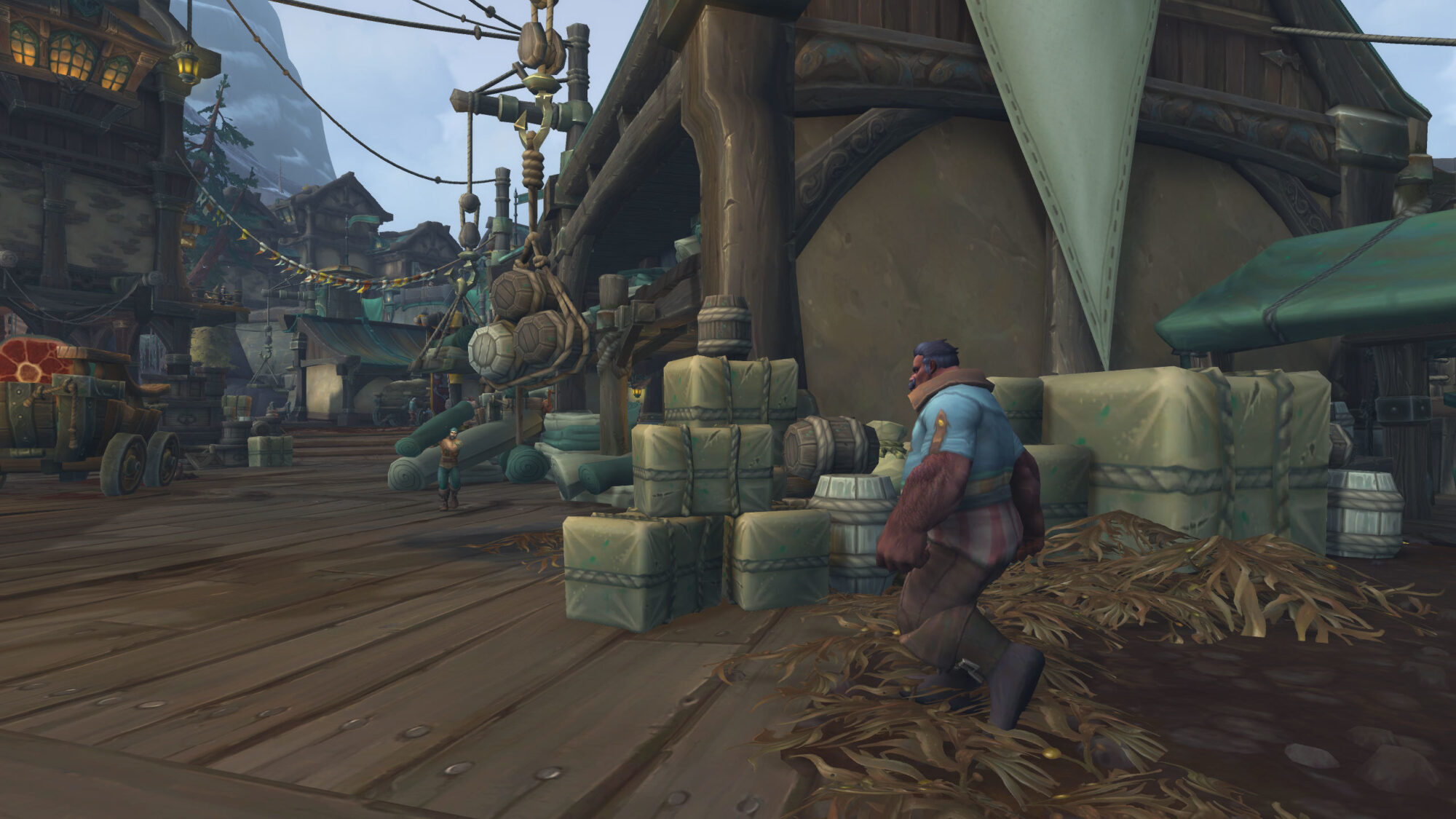
From its earliest days, World of Warcraft has been more than combat and quests—it’s been a living economy. Every herb gathered, gem cut, and potion crafted forms part of a vast network of trade that binds players together. Unlike scripted systems, WoW’s economy thrives on trust, reputation, and human interaction. The Auction House, professions, and resource markets have shaped not only gold flow, but also how players socialize, cooperate, and compete.
This article explores how player-driven economics became the hidden backbone of WoW’s community, influencing its guild structures, friendships, and even its conflicts.
The Auction House as a Social Marketplace
At first glance, the Auction House seems mechanical—just supply, demand, and price tags. But beneath the numbers lies a social ecosystem. Sellers and buyers recognize each other’s names, compete for dominance, and form informal alliances. Market control becomes a kind of diplomacy, where traders negotiate peace or wage silent wars through pricing. This layer of interaction gives economic play a uniquely human touch.
Gold may be the currency, but reputation is the true wealth.
Professions: The Original Social Network
Before cross-server features, professions were the first bridge between players. Blacksmiths forged weapons for warriors, tailors stitched robes for mages, and enchanters added sparkle to the community’s success. This interdependence created relationships that lasted entire expansions. A skilled crafter wasn’t just a supplier—they were part of a player’s story. Even now, with crafting orders and specialization, that legacy of cooperation endures.
In Azeroth’s economy, skill isn’t measured in gold—it’s measured in gratitude.
Guild Economies and Collective Wealth
Guilds function as miniature economies. Shared banks, repair funds, and material pools foster a sense of unity. Raiding guilds often rely on internal crafting networks, rewarding members who contribute to collective goals. Economic interdependence strengthens bonds by turning teamwork into tangible prosperity. It’s no coincidence that the most stable guilds often have strong financial organization—because shared investment breeds loyalty.
Economy turns cooperation into culture.
| Economic Feature | Social Effect | Example |
|---|---|---|
| Professions | Creates interdependence between roles | Enchanters supplying raiders with weapon enchants |
| Guild Banks | Fosters trust and shared responsibility | Raid funds for consumables or repairs |
| Crafting Orders | Encourages cross-player collaboration | Custom gear commissions between strangers |
| Auction House | Drives competition and communication | Market rivalries between top traders |
| Gold Trading | Strengthens long-term player ties | Trusted lenders and repeat buyers |
The Psychology of Earning
For many players, making gold is more than utility—it’s achievement. The thrill of spotting market trends or flipping underpriced items creates a sense of mastery equal to any raid victory. Economic players form their own communities, sharing insights and tracking patch changes that influence market shifts. This shared pursuit fosters collaboration across servers and factions, proving that economic ambition can be as social as combat.
Wealth, in WoW, isn’t isolation—it’s participation.
Inflation, Scarcity, and Cooperation
Economic fluctuations shape social behavior. During expansions, materials skyrocket in price, forcing guilds to organize collective farming events. Scarcity drives cooperation, as players work together to secure resources. In contrast, oversupply encourages generosity—gifting crafted items or donating excess mats. These patterns mirror real-world economies, turning virtual scarcity into a study of human behavior under digital pressure.
The economy becomes a reflection of community resilience.
Modern Integration: Cross-Faction and Regional Markets
With the unification of Auction Houses and crafting orders, Blizzard transformed local economies into global ones. Cross-faction trade erased barriers that once divided players, while regional listings increased accessibility. The result is both efficient and emotional—where cooperation across old enemies feels natural. The player-driven market has evolved into a shared, borderless system, reinforcing the idea that prosperity grows through connection.
Economy, once factional, is now universal—just like community itself.
Conclusion
WoW’s player-driven economy has always been more than numbers—it’s a social machine built on trust, ambition, and collaboration. Through professions, trade, and shared goals, players formed micro-communities that persist beyond raids or expansions. Gold changes hands, but what truly endures are the relationships it creates. The economy isn’t just part of Azeroth’s world—it’s the invisible thread that keeps it alive.
Because in the end, wealth in Azeroth isn’t measured in gold—it’s measured in connection.