
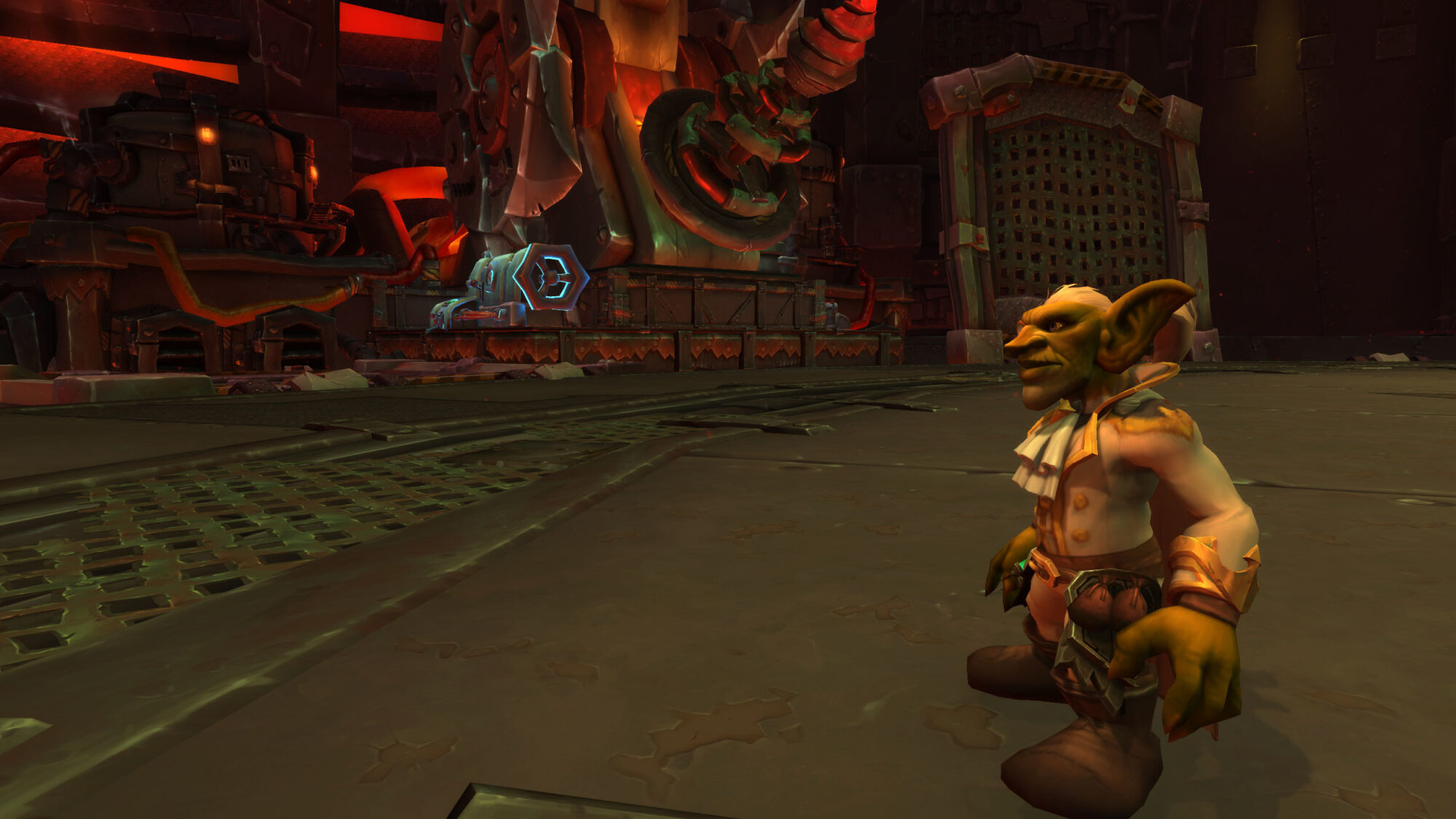
High-end raid success increasingly favors consistency over explosive damage windows. While peak output can shorten phases, encounters are now tuned to punish volatility. Groups that execute mechanics cleanly, manage resources steadily, and minimize errors progress further than teams chasing perfect burst alignment.

Errors Accumulate Faster Than Damage Gains
Modern encounters apply pressure over extended timelines. Small positioning mistakes, missed interrupts, or inefficient movement compound into lethal situations. The damage gained from a perfect burst window rarely compensates for the losses caused by repeated execution errors.
Steady Output Preserves Encounter Flow
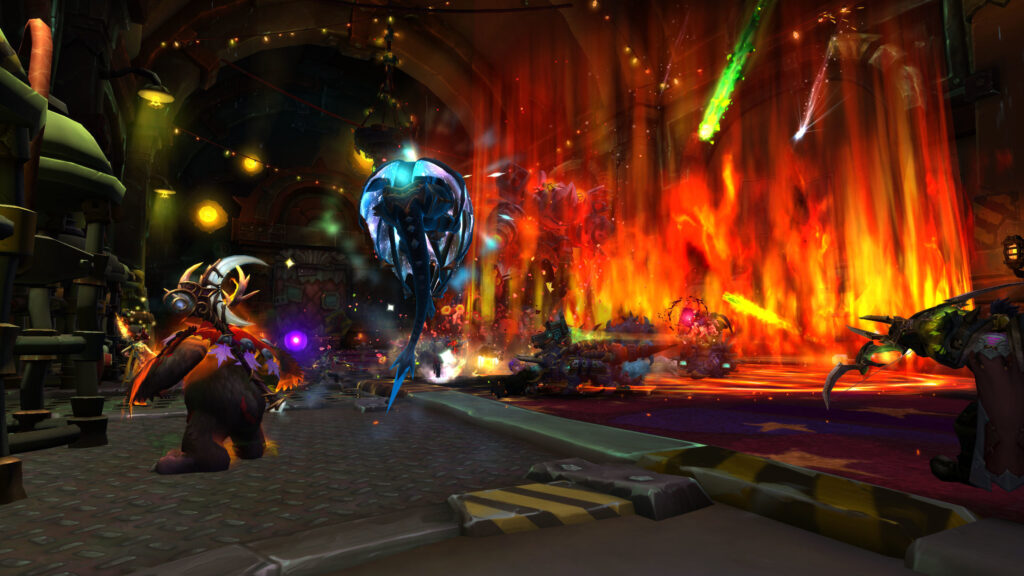
Consistent damage keeps phase transitions predictable and cooldown planning reliable. When output fluctuates wildly, groups lose rhythm, forcing healers and tanks into reactive play. Stability simplifies decision-making across the raid.
Cooldown Planning Favors Reliability
Encounters increasingly reward cooldown pacing across multiple phases rather than stacking everything into a single moment. Groups that plan defensives and offensives for sustained coverage survive longer and recover more effectively from minor setbacks.
| Approach | Strength | Weakness |
|---|---|---|
| Peak burst focus | Short phases | High volatility |
| Consistent execution | Stable progression | Lower burst ceiling |
| Phased cooldowns | Predictable survival | Requires planning |
| Error minimization | High reliability | Less dramatic gains |
Consistency Scales With Difficulty
As difficulty rises, encounters leave less room to recover from mistakes. Groups that value clean fundamentals progress steadily, while those relying on spikes often stall when conditions are imperfect.
Conclusion
Raid encounter consistency now outperforms peak damage windows. Reliable execution, steady output, and disciplined planning define success in modern raiding, where stability beats spectacle.